
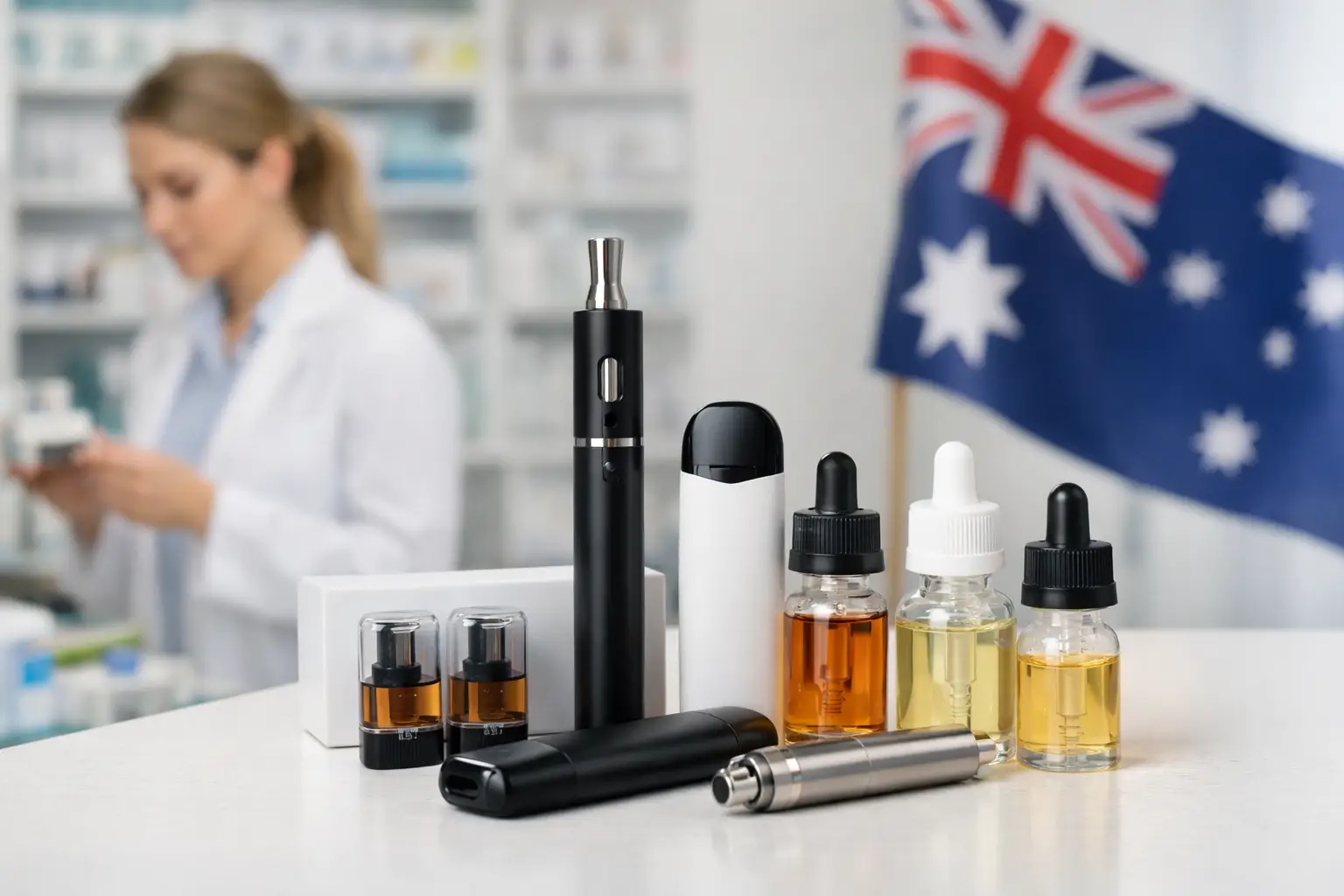
A pharmacy buyer does not need another generic wholesaler pitch. What matters is whether a pharmacy vape supplier Australia businesses can rely on is set up for regulated trade supply, not casual retail traffic. If supply is inconsistent, product verification is unclear, or freight lead times drift out, the problem lands at store level fast – in lost sales, frustrated customers and avoidable admin.
For pharmacies operating in a controlled category, supplier choice is less about broad claims and more about execution. You need confidence that the stock is genuine, the ordering process is account-based, minimums are transparent, and replenishment can keep pace with repeat demand. That is where the difference between a consumer-facing vape seller and a wholesale distribution partner becomes obvious.
What pharmacies actually need from a vape supplier
A pharmacy channel has different operational requirements from a general reseller. Product demand still matters, but it sits alongside compliance checks, purchasing controls and predictable fulfilment. A supplier serving this segment should understand that the buyer is not browsing for novelty. They are managing inventory risk, customer expectations and margin at the same time.
The first requirement is authenticity. Counterfeit exposure is not just a product problem. It becomes a reputational problem for the pharmacy and an operational problem for the team that has to deal with complaints, returns and questions about provenance. A wholesale supplier should be able to show a clear position on genuine product verification and hold a catalogue that aligns with recognised, fast-moving lines.
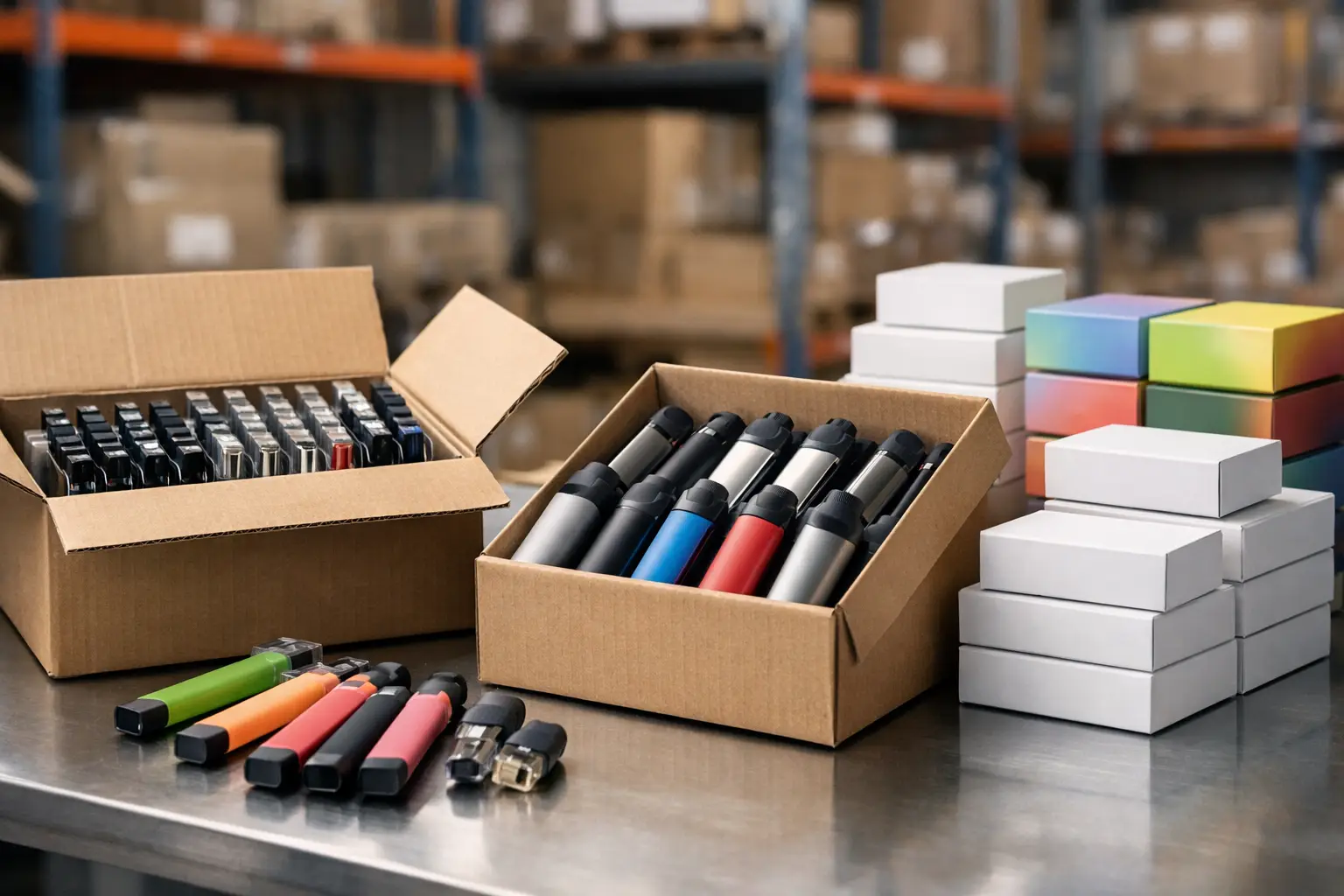
The second is stock continuity. Pharmacies do not benefit from a wholesaler that lists popular SKUs one week and cannot replenish them the next. Consistent access to core models matters more than inflated product range claims. In practice, dependable availability across proven product families is often more valuable than an oversized catalogue with patchy fulfilment.
The third is speed. Domestic fulfilment should be structured around rapid dispatch and trackable shipping, because reorder cycles are rarely convenient. When a pharmacy needs to top up a fast seller, it needs a supplier that can move stock through a national network without turning each purchase into a follow-up exercise.
Pharmacy vape supplier Australia buyers should assess beyond price
Price always matters in wholesale, but it is rarely the only meaningful variable. A low unit rate loses value quickly if it comes with delayed dispatch, poor communication or questionable stock origin. Pharmacies that buy on headline price alone often end up absorbing hidden costs elsewhere.
Tiered wholesale pricing is usually the stronger model because it reflects actual trade behaviour. Buyers with recurring demand should be able to access commercial rates that improve with volume, while still understanding minimum order thresholds from the outset. Clear pricing architecture supports better forecasting and easier purchasing approvals.
There is also the question of account structure. A proper B2B supplier should separate trade buyers from consumer transactions. That means onboarding suited to approved commercial customers, pricing aligned to volume, and support built around replenishment rather than one-off sales. For pharmacies, that distinction matters because it creates a cleaner, more reliable procurement process.
Why authenticity verification is non-negotiable
In this category, authenticity is not a marketing extra. It is part of supply-chain control. Pharmacies need to know that the products entering their shelves are genuine and sourced through a distributor that treats verification as standard practice.
That is particularly relevant for high-recognition brands and models that move quickly in the market. Popular lines attract demand, but they also attract counterfeit risk. A supplier that specialises in recognised wholesale stock, rather than trying to be everything to everyone, is often better placed to maintain tighter product control.
For trade buyers, the practical benefit is simple. Genuine stock reduces disputes, protects sell-through, and gives staff more confidence when handling customer queries. It also lowers the friction that comes from inconsistent packaging, questionable batch quality or products that do not match expected market presentation.
Product depth matters more than endless range
A common mistake in supplier evaluation is assuming the biggest catalogue is the strongest one. For pharmacy buyers, focused product depth is usually more useful than endless, unstable range. If the supplier carries established lines such as IGET Bar, IGET Bar Plus, IGET King, IGET Moon and IGET Bar Pro with flavour-level availability, that can support better planning than a wider catalogue with poor replenishment discipline.
Depth matters because repeat customers often return for a specific model or flavour profile. When your supplier can support that demand consistently, your store avoids unnecessary substitution and missed sales. When they cannot, every reorder turns into compromise.
This is where a specialist wholesaler has an advantage. A business built around a narrower but stronger portfolio can often deliver better stock consistency, clearer product data and faster picking across known high-demand lines. For pharmacies managing shelf space tightly, that is commercially useful.
Freight performance is part of the offer
Shipping should never be treated as an afterthought in wholesale. For a pharmacy vape supplier Australia-wide, domestic freight capability is part of the core service. Buyers need to know not only that stock is available, but that it can be dispatched quickly and tracked through to delivery.
Fast nationwide shipping supports more disciplined inventory management. It reduces the need to over-order as a hedge against delay and helps pharmacies maintain stock without tying up unnecessary cash in excess units. That is especially important when demand patterns shift across specific SKUs.
Of course, speed on paper and speed in practice are not always the same. The better suppliers are the ones that build their reputation around reliable turnarounds, not just ambitious claims. Dispatch consistency, order accuracy and communication around freight all matter. One delayed parcel may be manageable. Repeated unpredictability is not.
Compliance and onboarding should feel built for trade
Pharmacies do not need a checkout experience designed for impulse retail. They need onboarding that recognises they are an approved business customer operating in a regulated environment. That includes sensible account setup, clear supply terms and a purchasing pathway that reflects trade requirements.
A serious wholesale partner will usually make this process straightforward without making it casual. There should be enough structure to support compliance-related checks and account integrity, while still allowing procurement teams to order efficiently once approved. If onboarding is vague, inconsistent or overly manual, it often signals broader operational weakness.
The same goes for communication. Trade buyers need direct answers on MOQ, stock status, dispatch timing and product availability. They do not need padded sales language. A supplier that communicates in clear operational terms is generally easier to work with over the long run.
The trade-off between flexibility and control
Not every pharmacy needs the same supply setup. Some buyers prioritise broader flavour access. Others care more about locking in recurring volume on a smaller set of proven sellers. Some want larger, less frequent orders, while others prefer tighter replenishment cycles. The right supplier should be able to support those differences without losing process discipline.
There is a trade-off here. Highly flexible supply can be attractive, but too much looseness can create inconsistency in pricing, fulfilment or stock allocation. On the other side, rigid systems can slow down practical ordering. The best wholesale arrangements usually sit in the middle – structured enough to protect service levels, flexible enough to support real trade demand.
That is why pharmacies should look for wholesalers that behave like logistics partners, not just stock aggregators. A supplier with account-based purchasing, verified products, tiered pricing and rapid domestic dispatch is generally better positioned to support repeat business than a seller built around ad hoc transactions.
For pharmacies sourcing recognised disposable lines in volume, that model is the difference between reactive buying and controlled replenishment. Businesses such as IGET VAPES Wholesale Australia are built around that wholesale logic: genuine product verification, commercial minimums, repeat supply and nationwide fulfilment for approved buyers.
Choosing the right wholesale partner
The strongest supplier relationship usually comes down to four practical questions. Is the stock genuine? Can the supplier maintain continuity on high-demand SKUs? Are trade terms clear? And can they ship quickly across Australia without turning every order into a chase-up?
If the answer to any of those is uncertain, the risk sits with the pharmacy. If all four are handled well, procurement becomes simpler, stockholding becomes more predictable, and the supplier earns its place as part of your operating model rather than another variable to manage.
A reliable wholesale partner does not need to overstate its value. It shows up in verified stock, clean ordering, consistent dispatch and fewer supply headaches when demand is live.