
If you are working out where to buy bulk vapes for resale, the wrong supplier will usually show itself fast – stockouts, mixed batches, slow dispatch, unclear trade terms, or products that raise authenticity concerns at the counter. For commercial buyers, that is not a minor inconvenience. It affects margin, sell-through, staff time and customer trust.
The real question is not simply who has stock today. It is who can support repeat purchasing with verified product, stable fulfilment and commercial terms that make sense over time. In the Australian wholesale market, especially for recognised disposable lines, supply quality matters as much as buy price.
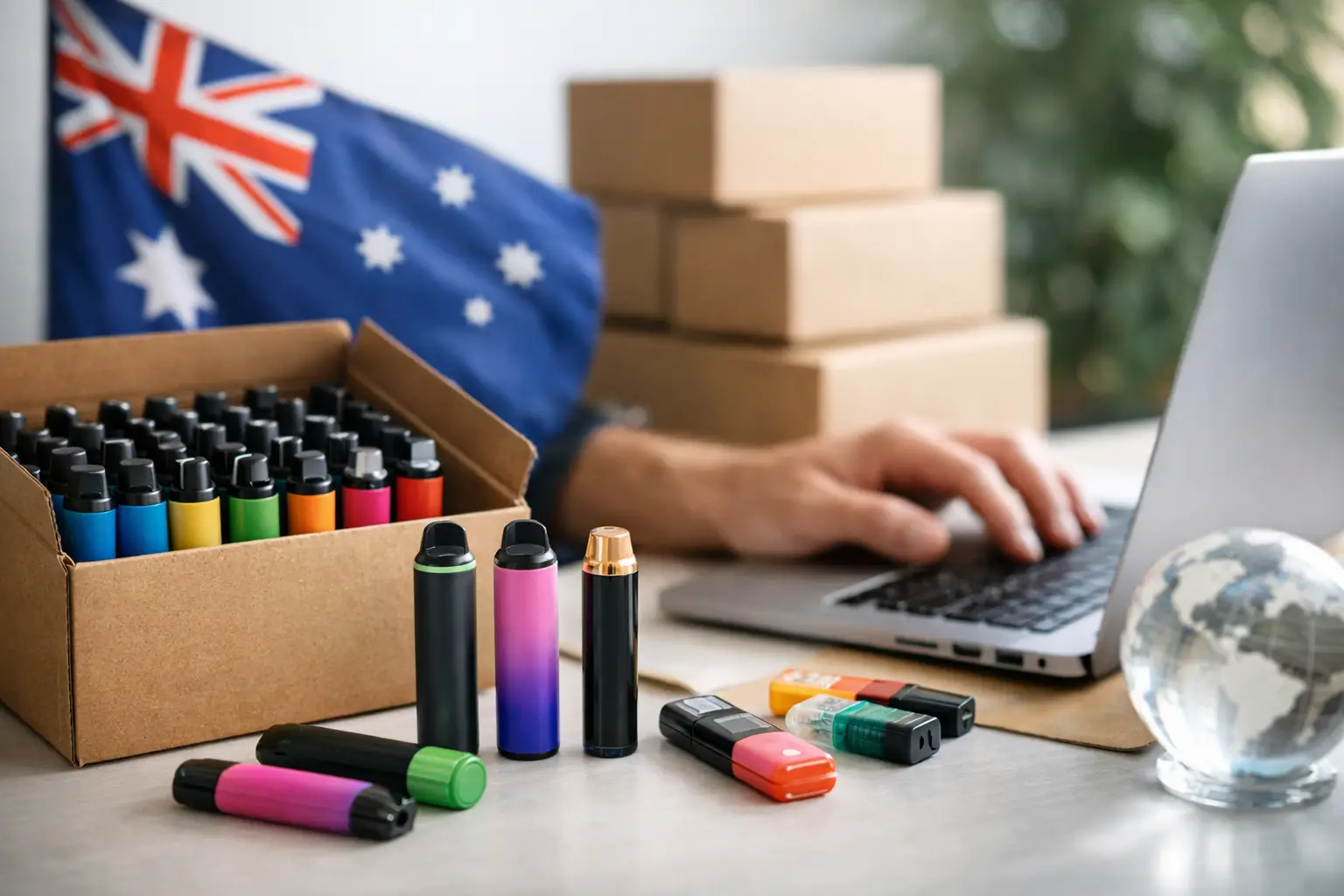
Where to buy bulk vapes for resale in Australia
For most trade buyers, the best place to buy in bulk is a specialised Australian B2B distributor with a clear account-based wholesale model. That means domestic inventory, defined minimum order requirements, product-level availability, trade onboarding and trackable national shipping. It also means dealing with a business set up for volume purchasing rather than a retail shop trying to service wholesalers on the side.
This distinction matters. A consumer-facing store may advertise carton pricing, but that does not automatically make it a reliable wholesale partner. Commercial buyers need batch consistency, repeatable lead times, invoice clarity and a straightforward replenishment process. If your business depends on maintaining fast-moving SKUs, buying from an operation without wholesale infrastructure creates avoidable risk.
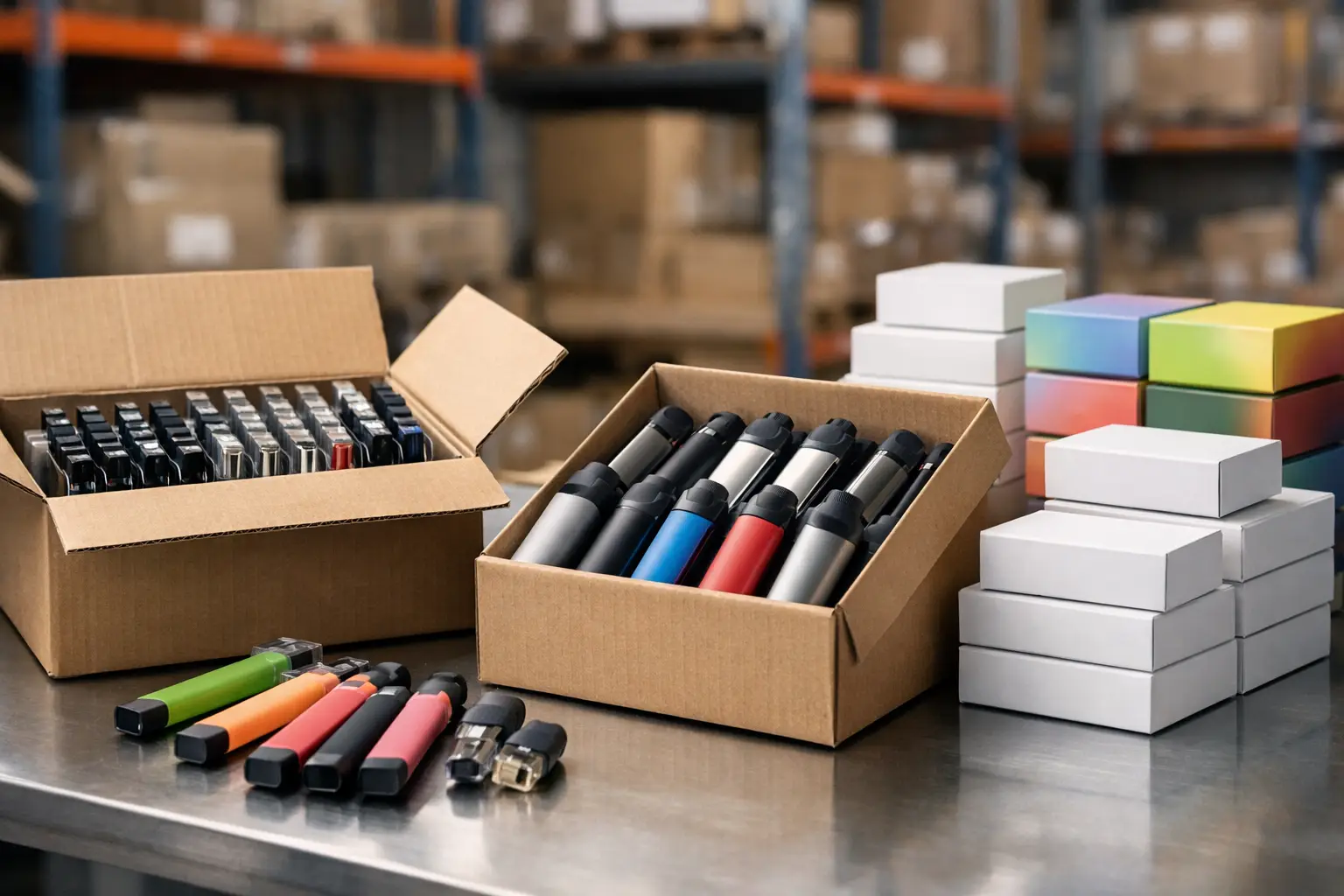
A dedicated trade distributor is generally the stronger option because it is built around recurring stock supply, not one-off transactions. That usually shows up in better visibility on model ranges, flavour-level listings, account support and freight handling.
What a serious bulk vape supplier should offer
The first test is authenticity verification. In this category, counterfeit risk is not theoretical. If the supplier cannot clearly explain how stock is sourced, verified and handled, that is a supply-chain problem before it becomes a retail problem. Genuine product verification should be part of the sales process, not an afterthought raised only when asked.
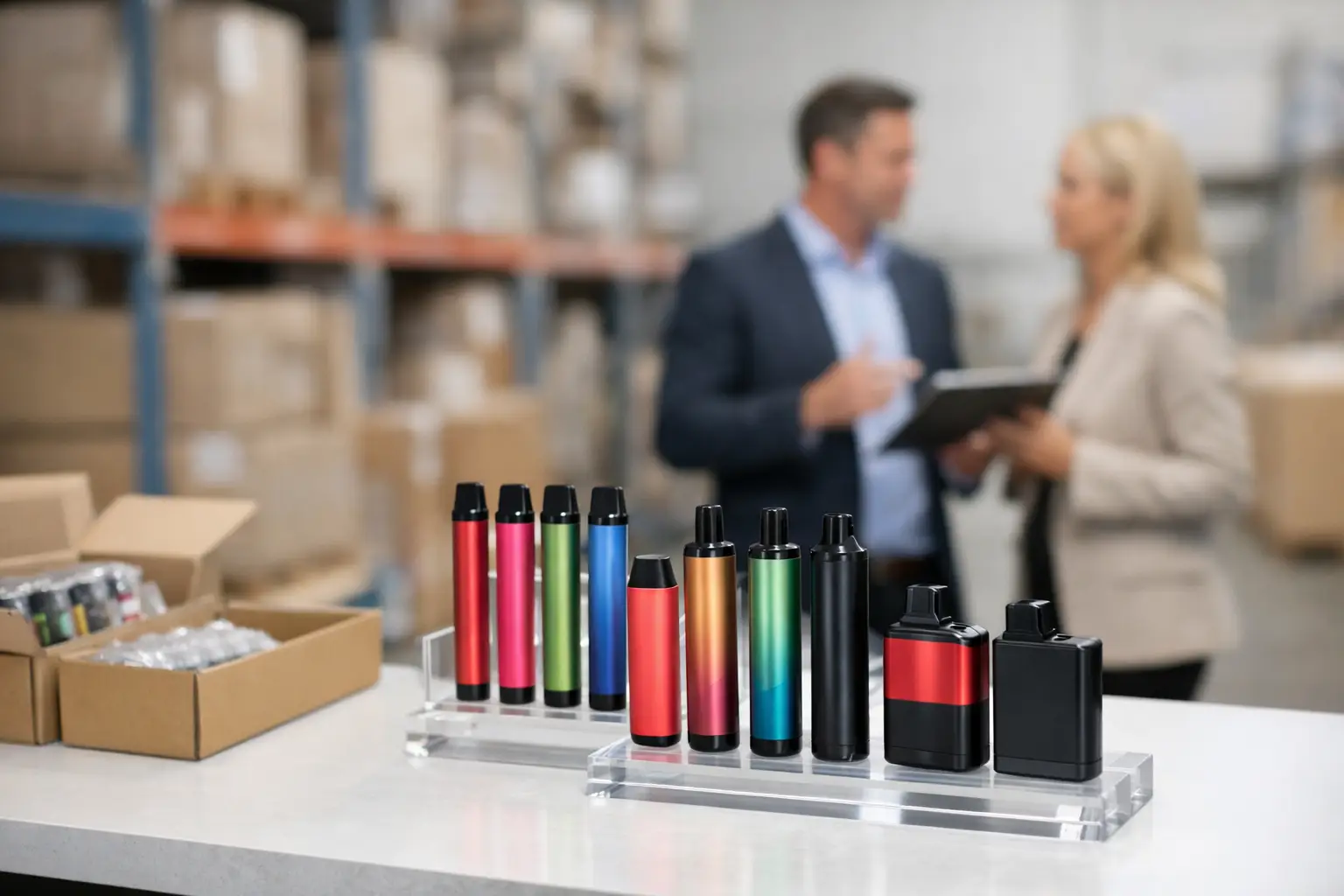
The second test is inventory depth. A wholesaler may have one or two popular lines in stock, but that does not mean they can support your actual sales mix. If you are buying for resale, you need more than headline products. You need enough depth across recognised models so you can restock what is moving without rebuilding your order every week around availability gaps.
For example, if your customer base is looking for established IGET lines, your supplier should have clear visibility across key products such as IGET Bar, IGET Bar Plus, IGET King, IGET Moon and IGET Bar Pro, with flavour-level ordering where relevant. That is the difference between proper wholesale supply and opportunistic stock trading.
The third test is pricing structure. Competitive tiered wholesale pricing matters, but price alone is not the full commercial picture. A slightly lower carton cost can be offset quickly by unreliable fulfilment, substitute stock, split deliveries or longer replenishment cycles. Buyers who focus only on headline discounts often end up paying more through operational drag.
The stronger wholesale model gives you pricing that improves with volume while still protecting service levels. That creates more predictability for ordering, margin planning and store-level stock allocation.
How to assess where to buy bulk vapes for resale
Start with business fit. If the supplier is not clearly set up for approved commercial buyers, you may spend more time than necessary chasing trade access, invoices and dispatch updates. A wholesale partner should have a defined onboarding process and make it clear who they supply – pharmacies, vape retailers, convenience-focused stockists and other approved operators.
Next, check whether shipping is domestic and trackable. International fulfilment can look attractive on paper, especially when unit pricing appears lower, but it introduces more variables around timing, customs exposure, damaged freight claims and stock planning. For resellers who need predictable replenishment, rapid domestic shipping is usually the more efficient choice.
Then look at stock continuity. Ask yourself a simple question: if a line sells through faster than expected, can this supplier refill it quickly and consistently? One successful first order does not prove supply reliability. The better signal is whether the business is structured for repeat purchasing, not just initial acquisition.
It is also worth checking how transparent the product catalogue is. A proper B2B distributor should not force buyers to work from vague stock descriptions. You want specific model information, flavour options where applicable, and straightforward quantity settings so your purchasing team can order without back-and-forth on every SKU.
Why authenticity and compliance carry more weight than discounts
For resale businesses, counterfeit exposure creates direct and indirect cost. The direct cost is obvious – unsellable stock, disputes, write-downs and replacement requirements. The indirect cost is often worse. Staff confidence drops, customer complaints increase and your store ends up absorbing time that should be spent on selling and replenishment.
That is why verified stock should sit near the top of your supplier checklist. In practice, a dependable wholesale distributor should be able to support genuine product claims with consistent sourcing standards and account-level support. If the answer is vague, heavily qualified or delayed, take it seriously.
Compliance also matters because wholesale supply is not just about moving cartons. It is about supplying approved channels through a process that recognises the regulatory setting in Australia. Buyers do not need inflated marketing claims from a supplier. They need a business that understands trade onboarding, business verification and operational discipline.
The trade-off between lower cost and reliable supply
Every buyer wants strong pricing. That is reasonable. But in wholesale distribution, the cheapest source is not always the best source.
A lower-cost seller may not hold enough local inventory to support recurring orders. They may advertise broad product access but run inconsistent fill rates. They may also lack the operational controls needed to process trade orders quickly. On a spreadsheet, the order looks efficient. On the shop floor, it creates gaps.
Reliable supply often produces the stronger result over time because it protects turnover. Fast-moving lines need continuity. If customers ask for recognised SKUs and your shelves are empty, the margin you saved on the last order does not help much.
That is why many experienced buyers choose a specialist Australian wholesaler over a fragmented mix of cheaper suppliers. The goal is not simply to buy low. It is to keep approved retail channels stocked with genuine, in-demand products on a repeatable cycle.
What the best wholesale relationship looks like
A strong supplier relationship should reduce friction each time you reorder. The account is already approved. Minimum order expectations are clear. Product categories are easy to navigate. Dispatch times are consistent. Tracking is available. If there is a stock issue, it is communicated early rather than discovered after payment.
That kind of structure is what serious buyers should look for when deciding where to buy bulk vapes for resale. It turns procurement into a stable process instead of a weekly negotiation.
In practical terms, a specialist distributor such as IGET VAPES Wholesale Australia fits this model when the requirement is authentic IGET bulk supply for approved Australian trade buyers. The value is not just access to known SKUs. It is the combination of verification, tiered wholesale pricing, minimum-order trade supply and fast domestic delivery built around repeat replenishment.
Red flags that usually signal the wrong supplier
If the business shifts between retail and wholesale messaging without clear trade terms, be cautious. If minimums are unclear, shipping timeframes are vague, or product listings lack detail, expect operational friction later. The same applies if batch authenticity is not addressed directly.
Another red flag is inconsistent category depth. A supplier may promote one headline product while carrying weak stock across the rest of the range. That can work for an opportunistic top-up order, but it is not ideal for buyers trying to maintain a dependable shelf mix.
Finally, watch how the supplier handles communication. Trade purchasing needs direct answers. If every basic question about stock, pricing tiers or dispatch requires repeated follow-up, the service model is probably not built for serious volume.
The best buying decision is usually the one that makes the next ten orders easier, not just the first one cheaper. For Australian resellers, that means choosing a wholesale partner with verified stock, commercial pricing discipline and a fulfilment model that keeps your inventory moving instead of holding it up.